Stal Knife Review: Materials, Fit & Finish Explained
When you pick a Stal knife, you get a durable German X50CrMoV15 steel blade known for solid corrosion resistance and decent edge retention lasting 2-3 months with normal use.
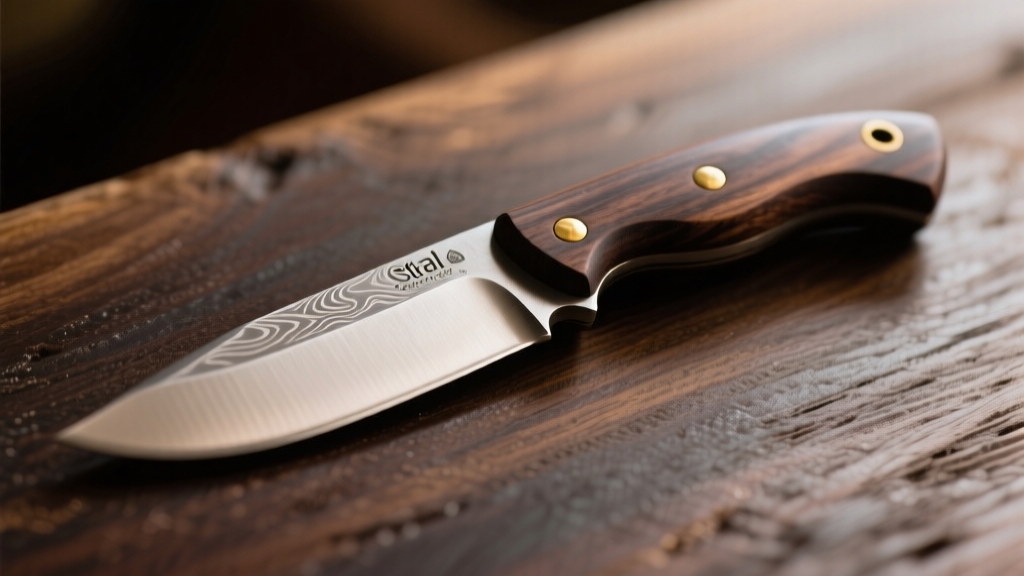
The ergonomic handle, often polypropylene or hardwood, provides a comfortable, slip-resistant grip with safety features like a bolster.
Stal offers diverse knife types and sizes, balancing professional performance and affordability compared to higher-end brands.
If you want more on maintenance, design, and market standing, keep exploring the details.
Key Takeaways
- Stal knives use durable German X50CrMoV15 steel with hardness between 56-67 HRC, providing good edge retention and corrosion resistance.
- Handles feature slip-resistant polypropylene or premium materials with full tang and ergonomic design for safety and comfort.
- The brand offers a wide range of knives from paring to chef and cleavers, catering to both professionals and home cooks.
- Positioned as an affordable alternative to premium German brands, Stal emphasizes durability, safety, and practical value.
- Maintenance is easy with included sharpening steel, hand wash recommendation, and optional food-grade mineral oil for blade longevity.
Overview of Stal Knife Materials and Blade Design
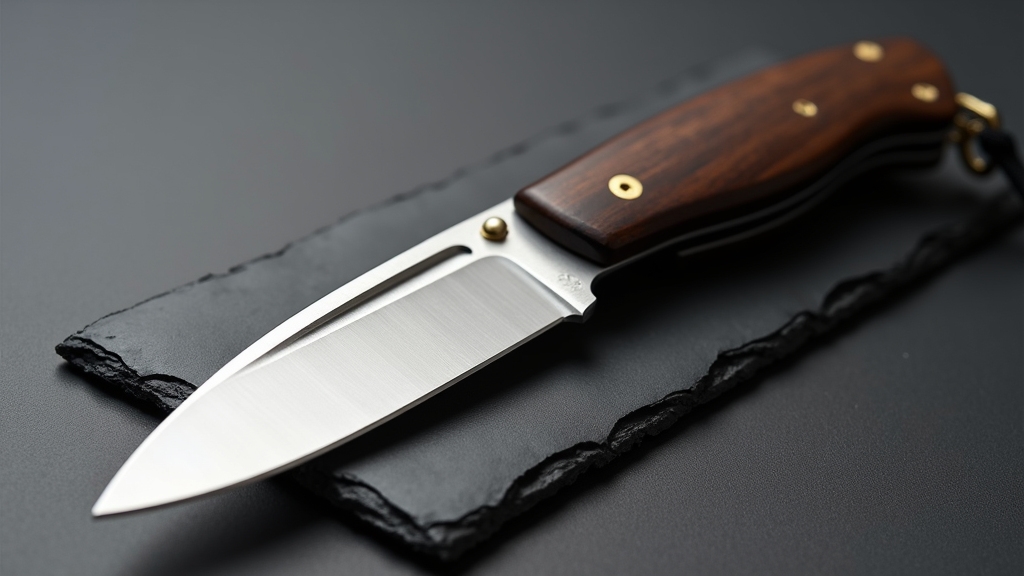
A Stal knife’s performance hinges on the precise composition of its steel and the meticulous design of its blade. When you examine the steel, carbon content dictates hardness and edge retention, while chromium above 13% guarantees corrosion resistance, defining stainless quality. The presence of manganese and silicon further enhances the steel’s hardenability and manufacturing stability, ensuring consistent quality in Stal knives.
Vanadium and molybdenum bolster toughness and wear resistance, common in premium Stal blades. You’ll find carbon steel offers superior hardness but less rust protection, whereas stainless blends chromium with molybdenum and vanadium for balanced durability. Proper maintenance, including regular oiling, is essential to prevent metal fatigue and preserve blade integrity.
Vanadium and molybdenum enhance toughness and wear resistance, balancing hardness and corrosion resistance in premium Stal blades.
Specialty steels like CPM S125V provide exceptional edge retention but may sacrifice flexibility. Hardness typically ranges between 60 and 67 HRC, influenced by steel grade and heat treatment, affecting brittleness and sharpness.
Carbide-forming elements refine the microstructure, enhancing edge stability and wear resistance, making Stal blades precise and durable tools.
Handle Construction and Ergonomics
While blade quality determines cutting performance, handle construction and ergonomics considerably influence your control, comfort, and safety when using a Stal knife.
Handles commonly utilize polypropylene for its slip resistance and durability, but premium models incorporate hardwoods or engineered materials like G-10 and Micarta to combine aesthetics with strength. Some handles also feature non-slip feet or textured surfaces similar to electric graters for enhanced stability.
Metal handles, though structurally sound, require careful ergonomic design to avoid discomfort. You’ll notice contoured shapes, textured surfaces, and full tang construction optimize grip and balance, minimizing wrist strain during extended use. Additionally, the choice of handle materials complements the blade’s wear resistance, ensuring the entire knife maintains durability in demanding conditions.
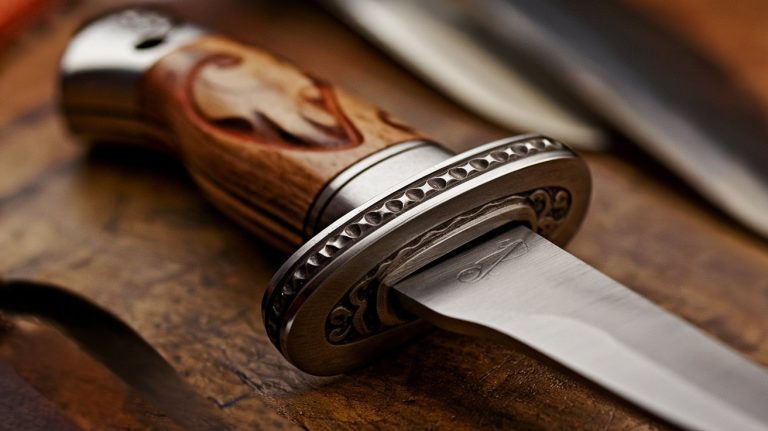
Attachment methods such as pins and epoxy ensure handle stability under heavy use. Additionally, features like bolsters and finger guards enhance safety by preventing slippage.
Variety of Stal Knife Types and Sizes
Having a comfortable, well-designed handle sets the foundation, but selecting the right Stal knife type and size ultimately shapes how effectively you perform various kitchen tasks.
A comfortable handle is key, but choosing the right Stal knife type and size defines your kitchen efficiency.
Stal offers a broad range including chef, paring, utility, boning, bread, and specialty knives like Santoku and cleavers. Blade lengths vary from 3 inches for paring knives to 12 inches for chef knives and cleavers, catering to diverse preferences. Many of these knives feature high-quality blade materials that ensure durability and precision.
For example, an 8-inch chef knife suits general chopping, while a 5- to 7-inch utility knife handles precision slicing. You can pick Western or Japanese-inspired blades depending on your cooking style. Choosing the appropriate blade shape ensures optimal performance for specific cutting needs.
Chef knives come in sizes from 6 to 12 inches, featuring curved or Santoku tips for versatile cuts. Paring knives range from 3 to 4 inches, ideal for peeling and trimming. Ergonomic handle designs also enhance comfort and grip during extended use.
Specialty knives include boning, bread, and cleavers for targeted tasks. Blade sizes span small precision to heavy-duty chopping needs. Proper maintenance, including regular sharpening and cleaning, helps maintain their performance and longevity.
Performance Characteristics and Edge Retention
Because Stal knives utilize X50CrMoV15 German steel, you benefit from a high-carbon stainless composition that outperforms standard stainless steel in hardness and edge retention.
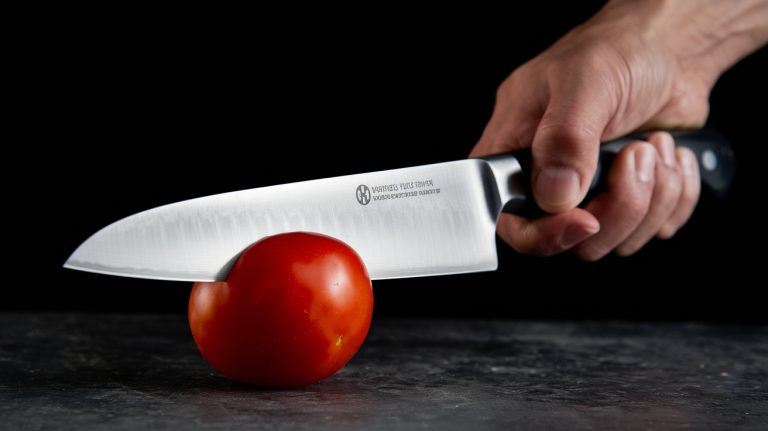
This steel maintains a razor-sharp edge longer, resisting wear even in commercial kitchen use. The blade’s gradual taper from spine to tip enhances cutting efficiency, reducing resistance during rocking and slicing motions. Moreover, the blade’s smooth grain structure supports consistent cutting performance and durability.
Compared to regular stainless steel knives, Stal’s edge retention considerably extends cutting performance before needing resharpening. Additionally, the smooth transition from heel to tip supports precise control and durability. The corrosion resistance of X50CrMoV15 also helps prevent rust, making the blade easier to maintain in humid or wet environments.
While premium exotic steels may offer marginally higher hardness, Stal strikes a balance by delivering excellent edge retention with easier sharpening and lower maintenance requirements.
This makes Stal knives a practical choice for consistent, high-performance cutting tasks.
Maintenance Tips for Longevity
Maintaining the sharpness and durability of your Stal knife goes beyond its initial performance features; proper care directly impacts how long it stays effective. You should always hand wash your knife immediately after use with mild soap and warm water, avoiding abrasive materials and never using a dishwasher. After washing, it is important to dry completely with a towel to prevent moisture-induced damage.
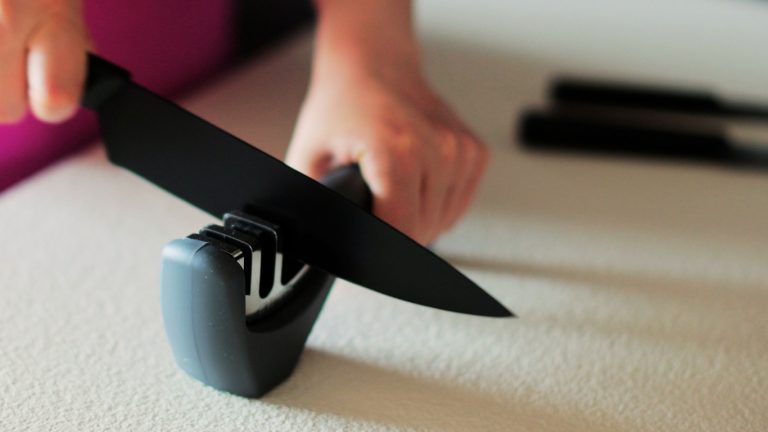
Regular honing realigns the blade edge between sharpenings, which you should perform every 1-2 months based on use. Applying a thin layer of food-grade mineral oil after cleaning prevents moisture damage, especially in humid environments.
Finally, store your knife dry and separately in a knife block or magnetic strip to prevent dulling or rust. Hand wash and dry immediately to avoid corrosion. Hone regularly, sharpen professionally when dull. Oil blade after cleaning to create a moisture barrier. Store dry, individually, avoiding damp spaces and leather sheaths.
Market Position and Brand Reputation
Stal Knife really stands out in the mid-range kitchen segment. They do a fantastic job of balancing quality craftsmanship with affordability, often considering durability and performance in their product design.
When you compare them to well-known brands like Wüsthof and Zwilling, you’ll notice that Stal emphasizes durable materials and practical design, all without hitting that premium price tag.
This focus on quality at a reasonable cost is what’s contributing to their growing credibility.
Whether you’re a home cook or a budget-conscious professional, Stal Knife seems to be making a name for itself. Their use of steel, which holds a dominant market share due to its strength and versatility, ensures reliable performance.
It’s exciting to see a brand that prioritizes both functionality and affordability!
Brand Credibility Overview
How does Stal carve out its place in the competitive professional knife market? You’ll find that Stal builds credibility by offering reliable, budget-friendly cutlery backed by a reputable distributor, Winco.
It stands out through consistent quality using German X50 Cr MoV15 steel, positioning itself as a practical choice for commercial kitchens without premium pricing. Compared to brands like Victorinox and Mercer, Stal balances affordability with dependable performance. This balance makes it suitable for a range of kitchen tasks, much like how precision kitchen tools enhance cooking outcomes.
This makes it popular among entry-level users and those needing backup knives. The knives feature high-carbon German steel blades, ensuring durability and sharpness for everyday kitchen tasks.
Stal is widely available through restaurant supply stores and online retailers. It’s NSF listed, ensuring compliance with food safety standards.
The brand is recognized for ease of maintenance and reasonable edge retention. Stal is positioned as a cost-effective alternative for professional use without premium features.
Market Segment Focus
What sets Stanley Knife apart in the utility knife market is its strong focus on durability, safety, and ergonomic design tailored for professional tradespeople. Its design philosophy shares similarities with renowned brands that emphasize ergonomic handle comfort to enhance user experience.
You’ll find Stanley holding a significant global market share, competing closely with brands like Olfa and Milwaukee.
The brand targets both professionals and DIY users, offering retractable, fixed blade, and specialty knives that meet diverse needs.
Its reputation for reliability stems from innovative blade technology and safety features like blade retraction.
Stanley’s association with Stanley Black & Decker further strengthens its premium market position, especially in construction and industrial sectors.
The Fixed Blade segment held a notable market share in 2023 and is expected to grow further, which benefits brands like Stanley Knife that offer strong products in this category market segment growth.
If you prioritize consistent performance and ergonomic comfort, Stanley Knife stands out as a trustworthy choice, balancing innovation with broad global availability.
Additional Features and Specialized Models
While many knives focus solely on basic functionality, the Stal Knife line enhances usability through razor-sharp X50 Cr MoV15 German steel blades known for exceptional edge retention.
These knives feature ergonomically designed slip-resistant polypropylene handles that resist stains and allergens.
You’ll appreciate the protective finger guard that boosts safety and the NSF listing, certifying these knives for commercial kitchens.
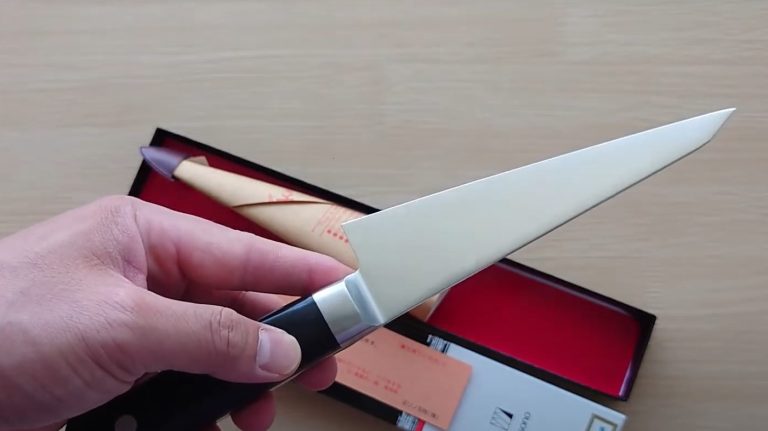
Stal offers specialized models tailored to specific tasks, such as the 10″ Hollow Ground Chef Knife for precision slicing and the 6″ Flexible Boning Knife for deboning. Their blades are crafted to maintain sharpness over time, similar to premium sujihiki knives with high hardness ratings.
Key features include:
- Multiple handle colors, including allergen-free options for sensitive environments
- Easy edge maintenance with included sharpening steel
- Variety of specialized knives for slicing, boning, and bread cutting
- Economical stamped blade construction without sacrificing durability
- Many kitchen knife sets come with practical storage options like a wood block or an 11-slot knife bag for convenience and organization.
Comparison With Other German Steel Knives
Although Stal knives share many characteristics with other German steel blades, their use of X50CrMoV15 steel sets them apart regarding hardness, edge retention, and durability.
You’ll notice Stal blades typically have a Rockwell hardness of 56-58 HRC, aligning with German standards. This makes them easier to sharpen but less sharp than harder steels. Proper storage in a knife block designed for German knives can help maintain their edge and longevity.
Compared to similar German knives, Stal knives offer solid corrosion resistance and a thicker blade profile that enhances durability for heavy-duty tasks.
Their edge retention lasts about 2-3 months under normal use, which is standard for German knives but shorter than premium Japanese steels.
The full tang and bolster design contribute to balanced handling, maintaining the robust feel you expect from German blades.
The curved edge supports versatile rocking cuts unlike some straighter German alternatives, making them suitable for a wide range of kitchen techniques rocking cuts.
Frequently Asked Questions
Are Stal Knives Dishwasher Safe Despite Recommended Hand Washing?
Stal knives aren’t truly dishwasher safe, even if some models claim to be.
You’ll find inconsistent advice; some say dishwashers are fine, but experts recommend hand washing to protect blade sharpness and prevent corrosion.
Dishwasher detergents and heat can damage steel blades and handles over time.
If you want your Stal knives to last, hand wash with mild soap, dry immediately, and avoid the risk of dulling or rusting caused by the dishwasher.
Can Stal Knives Be Used for Outdoor or Camping Purposes?
Of course, you could try using a butter knife for camping, but why?
Stal knives, crafted with durable materials and sharp edges, are well-suited for outdoor tasks like cutting rope, preparing food, and whittling wood.
Compared to popular camping brands like Morakniv or ESEE, Stal offers comparable toughness and precision.
Are Replacement Blades Available for Stal Knives?
You won’t find replacement blades readily available for Stal knives. Their proprietary design limits compatibility, and major retailers don’t stock them.
Unlike brands like Stanley or Olfa, which offer widely available blades, Stal lacks official or aftermarket replacements.
If you rely on quick, easy blade swaps, consider switching to knives with better support.
Modifying other blades isn’t safe or recommended, so buying a new knife might be your only option.
What Is the Best Sharpening Tool Recommended for Stal Knives?
The best sharpening tool for your Stal knives is the Work Sharp Precision Adjust Elite. It offers adjustable angle guides, letting you match your knife’s 15-20 degree bevel perfectly.
Compared to pull-through or electric sharpeners, it provides more control and consistent results without excessive metal removal.
If you prefer stones, the Sharpal 162N Dual-Grit Diamond Whetstone is durable and effective.
Both guarantee a sharp edge while maintaining your blade’s integrity.
Next Steps: Choosing Your Ideal Stal Knife
Choosing a Stal knife is like picking a precision instrument crafted for your kitchen’s orchestra.
You’ll appreciate the thoughtful blade design, ergonomic handle, and impressive edge retention that stand strong alongside other German steel knives.
Whether you want a versatile all-rounder or a specialized model, Stal offers quality and durability worth considering.
With proper maintenance, these knives hold their edge well, making them a reliable companion for your culinary tasks.